

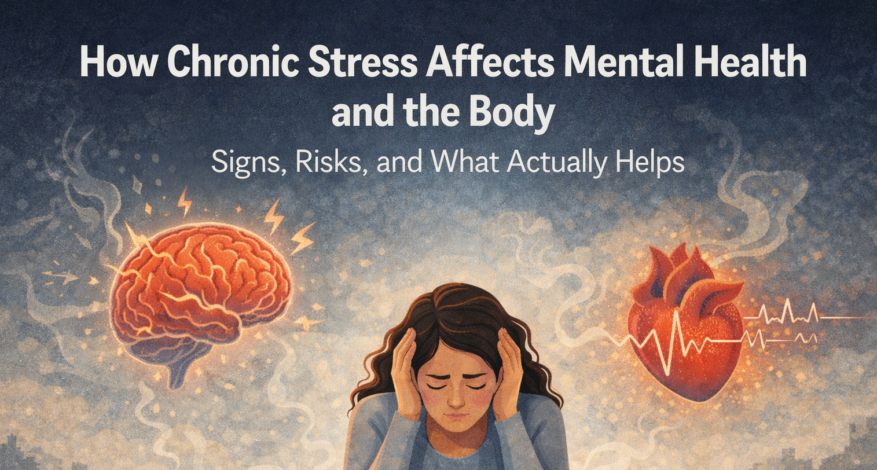
How Chronic Stress Affects Mental Health and the Body: Signs, Risks, and What Actually Helps
Chronic stress and mental health are closely connected, yet many people underestimate how deeply ongoing stress can affect both the mind and the body. Stress is often treated as a normal part of life, something to push through or ignore. While short-term stress can be manageable, long-term or chronic stress slowly wears down emotional resilience, physical health, and cognitive functioning.
Over time, unmanaged stress does not just make you feel tired or irritable. It can contribute to anxiety disorders, depression, sleep problems, burnout, weakened immunity, and physical illness. Understanding how chronic stress works and how it affects mental health is a critical step toward protecting your well-being.
This article explains what chronic stress is, how it impacts mental and physical health, common warning signs, what helps, what makes it worse, and when professional support is necessary.
What Is Chronic Stress?
Stress is the body’s natural response to perceived threat or demand. When you encounter a stressful situation, your body activates the stress response system, releasing hormones such as cortisol and adrenaline. This response is designed to help you react quickly and stay alert.
Chronic stress occurs when this stress response remains activated for long periods of time without adequate recovery. Instead of turning on and off as needed, the body stays in a prolonged state of tension.
Common sources of chronic stress include:
- Ongoing work pressure or job insecurity
- Financial difficulties
- Caregiving responsibilities
- Relationship conflict
- Academic pressure
- Chronic illness or pain
- Unresolved trauma
- Lack of sleep and recovery
When stress becomes chronic, the body and brain no longer get enough time to reset. This is where mental health problems often begin to develop.
How Chronic Stress Affects Mental Health
The relationship between chronic stress and mental health is not theoretical. It is biological, psychological, and behavioral. Long-term stress changes how the brain functions and how emotions are processed.
Chronic Stress and Anxiety
Chronic stress keeps the nervous system in a heightened state of alert. Over time, this can lead to anxiety symptoms such as constant worry, restlessness, muscle tension, racing thoughts, and difficulty relaxing.
When stress hormones remain elevated, the brain becomes more sensitive to perceived threats. Everyday challenges may start to feel overwhelming or dangerous. This increases the risk of developing anxiety disorders, including generalized anxiety disorder and panic disorder.
If anxiety symptoms are persistent or worsening, it may be helpful to review early warning signs:
Recognizing the Early Signs of Anxiety and Depression.
Chronic Stress and Depression
Long-term stress is a significant risk factor for depression. Ongoing stress can disrupt neurotransmitters involved in mood regulation, such as serotonin and dopamine. Over time, this may lead to feelings of hopelessness, low motivation, emotional numbness, and loss of interest in activities that once felt meaningful.
People under chronic stress may also experience learned helplessness, a state where efforts to improve the situation feel pointless. This mental pattern is closely linked to depressive symptoms.
Chronic Stress and Emotional Regulation
Stress affects the brain regions responsible for emotional control. The prefrontal cortex, which helps with decision-making and impulse control, becomes less effective under prolonged stress. At the same time, emotional centers of the brain become more reactive.
This imbalance can lead to:
- Increased irritability
- Emotional outbursts
- Difficulty calming down
- Overreaction to minor stressors
- Emotional shutdown or numbness
Chronic Stress and Burnout
Burnout is one of the most common outcomes of chronic stress. It is characterized by emotional exhaustion, detachment, and a reduced sense of effectiveness. Burnout is not simply being tired. It is a state of depletion that affects mental health, motivation, and identity.
If this resonates, you may find this resource helpful:
Emotional Burnout Recovery.
How Chronic Stress Affects the Body
Chronic stress and mental health are closely tied to physical health. The body does not separate emotional stress from physical stress. Long-term activation of the stress response can affect nearly every system.
Nervous System
Chronic stress keeps the sympathetic nervous system activated. This makes relaxation difficult and can lead to constant fatigue, restlessness, and sleep disturbances.
Immune System
Prolonged stress weakens immune function. People under chronic stress may get sick more often, take longer to recover, and experience increased inflammation.
Digestive System
Stress affects gut function and digestion. Symptoms may include stomach pain, bloating, nausea, changes in appetite, or irritable bowel symptoms.
Cardiovascular System
Long-term stress is associated with increased blood pressure, heart rate, and risk of cardiovascular disease.
Sleep
Stress and sleep are deeply connected. Chronic stress often leads to difficulty falling asleep, staying asleep, or feeling rested. Poor sleep then worsens stress, anxiety, and mood.
For a deeper understanding, see:
How Sleep Affects Mental Health.
Common Signs of Chronic Stress
Many people normalize stress and do not recognize it as a problem until symptoms become severe. Common signs include:
- Constant fatigue or low energy
- Frequent headaches or muscle tension
- Sleep problems
- Difficulty concentrating or memory issues
- Increased irritability or emotional sensitivity
- Withdrawal from social interaction
- Changes in appetite
- Increased use of caffeine, alcohol, or substances
These symptoms are signals from the body and mind that something needs attention.
What Helps Reduce Chronic Stress and Protect Mental Health
1. Restore Sleep First
Sleep is foundational. Without adequate sleep, stress management becomes nearly impossible. Even small improvements in sleep consistency can significantly improve mental resilience.
2. Create Predictable Routines
Routines provide stability to the nervous system. Regular meals, movement, and sleep times reduce cognitive load and emotional strain.
3. Learn Stress Regulation Skills
Effective techniques include:
- Slow breathing exercises
- Grounding techniques
- Progressive muscle relaxation
- Mindfulness practices
These tools help shift the body out of survival mode.
4. Set Boundaries
Chronic stress often comes from ongoing overextension. Learning to say no, reduce commitments, and protect recovery time is essential for mental health.
5. Maintain Social Connection
Supportive relationships buffer the effects of stress. Regular, meaningful connection helps regulate emotions and reduce isolation.
6. Address Thought Patterns
Stress is not only about circumstances. It is also about how the brain interprets them. Therapy can help identify unhelpful thought patterns such as catastrophizing, perfectionism, or self-criticism.
What Does NOT Help Chronic Stress
- Ignoring symptoms
- Overworking to “push through”
- Using alcohol or substances to cope
- Constant self-criticism
- Expecting instant recovery
These approaches often worsen long-term outcomes.
When to Seek Professional Help
Professional support is recommended if:
- Stress feels constant and unmanageable
- Anxiety or depression symptoms persist
- Sleep is consistently poor
- You feel emotionally numb or hopeless
- Daily functioning is affected
Therapy and psychiatric care can help address both the emotional and physiological effects of chronic stress.
If you would like professional support, you can contact our team here:
Contact Us.
Conclusion
Chronic stress and mental health are deeply intertwined. Long-term stress affects how the brain functions, how emotions are regulated, and how the body responds to daily demands. Addressing chronic stress is not a luxury. It is essential for mental and physical well-being.
With the right support, skills, and lifestyle changes, recovery is possible. If stress has become overwhelming, seeking professional help is a proactive and effective step toward healing.
If you are ready to take that step, reach out today:
Contact Us.
