

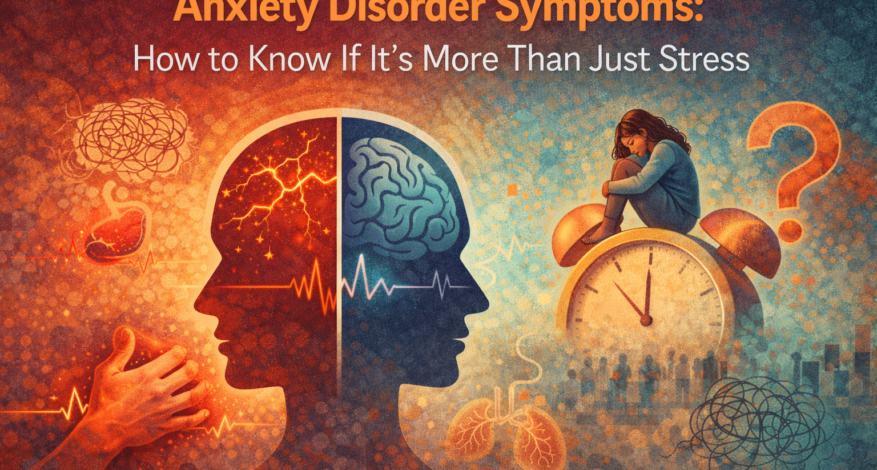
Anxiety Disorder Symptoms: How to Know If It’s More Than Just Stress
Anxiety disorder symptoms can be difficult to recognize at first. Many people assume they are simply “stressed” or “overthinking.” While stress is a normal part of life, persistent anxiety that interferes with sleep, concentration, relationships, or daily functioning may signal something more serious.
Anxiety disorders are among the most common mental health conditions worldwide. According to the National Institute of Mental Health, anxiety disorders affect millions of adults each year. Early recognition of anxiety disorder symptoms is critical because untreated anxiety often worsens over time and may contribute to depression, sleep problems, and physical health issues.
What Is an Anxiety Disorder?
An anxiety disorder is not occasional nervousness. It involves excessive fear, worry, or apprehension that is difficult to control and disproportionate to the situation. While short-term stress fades after the trigger passes, anxiety disorder symptoms persist even when there is no immediate threat.
According to the National Institute of Mental Health, anxiety disorders are among the most common mental health conditions in the United States, affecting millions of adults each year. You can learn more about the clinical definition and types of anxiety disorders here:
National Institute of Mental Health – Anxiety Disorders.
There are several types of anxiety disorders, including:
- Generalized Anxiety Disorder (GAD)
- Panic Disorder
- Social Anxiety Disorder
- Specific Phobias
- Separation Anxiety Disorder
Although each condition has unique features, many anxiety disorder symptoms overlap.
Common Anxiety Disorder Symptoms
1. Persistent Worry
One of the most common anxiety disorder symptoms is excessive and ongoing worry. This worry often feels uncontrollable and may shift from one concern to another.
2. Restlessness or Feeling “On Edge”
People with anxiety often report feeling constantly tense, unable to relax, or physically unsettled.
3. Muscle Tension
Chronic muscle tightness, jaw clenching, headaches, and neck or shoulder pain frequently accompany anxiety.
4. Sleep Disturbance
Difficulty falling asleep, staying asleep, or waking up feeling unrefreshed is common. Poor sleep often worsens anxiety, creating a cycle.
5. Difficulty Concentrating
Anxiety can interfere with attention and memory. Racing thoughts make it hard to focus on tasks.
6. Irritability
Increased irritability is common when the nervous system remains in a constant state of alert.
7. Physical Symptoms
Anxiety disorder symptoms are not only emotional. They can include:
- Rapid heartbeat
- Shortness of breath
- Chest tightness
- Stomach discomfort
- Dizziness
- Sweating
Panic Attack Symptoms
Panic disorder involves sudden episodes of intense fear known as panic attacks. These may include:
- Heart pounding
- Feeling of choking
- Fear of losing control
- Fear of dying
- Numbness or tingling
If you want a deeper explanation, see:
How to Recognize and Manage Panic Disorder.
When Is Anxiety More Than Stress?
Consider professional evaluation if anxiety disorder symptoms:
- Last more than several weeks
- Interfere with work or relationships
- Cause avoidance of normal activities
- Disrupt sleep consistently
- Feel uncontrollable
Normal stress improves when circumstances improve. Anxiety disorders persist even without a clear external threat.
Causes of Anxiety Disorders
Anxiety disorder symptoms develop due to multiple factors:
- Genetic predisposition
- Chronic stress exposure
- Trauma history
- Personality traits such as perfectionism
- Medical conditions
- Substance use
Often, anxiety results from a combination of biological vulnerability and life stressors.
The Link Between Anxiety and Depression
Anxiety and depression frequently occur together. Persistent anxiety can lead to exhaustion and hopelessness, increasing the risk of depressive symptoms.
You may find this helpful:
Recognizing the Early Signs of Anxiety and Depression.
What Helps Reduce Anxiety Disorder Symptoms?
1. Therapy
Cognitive Behavioral Therapy (CBT) is one of the most effective treatments for anxiety disorders.
2. Medication
In some cases, medication may help regulate neurotransmitters involved in anxiety.
3. Sleep and Routine Stabilization
Consistent sleep improves emotional regulation.
4. Stress Reduction Skills
Breathing exercises, grounding techniques, and mindfulness reduce nervous system activation.
5. Limiting Stimulants
Caffeine and certain substances can worsen anxiety symptoms.
What Does Not Help Anxiety
- Avoiding everything that causes anxiety
- Suppressing emotions
- Excessive reassurance seeking
- Using alcohol to cope
When to Seek Professional Help
If anxiety disorder symptoms are persistent or worsening, early intervention improves outcomes. Treatment is most effective when started before symptoms become severe.
If you are experiencing anxiety disorder symptoms and want structured support, reach out here:
Contact Us.
Final Thoughts
Anxiety disorder symptoms are common but treatable. Recognizing the difference between temporary stress and a developing anxiety disorder can prevent long-term distress. With proper evaluation and evidence-based treatment, recovery is possible.
